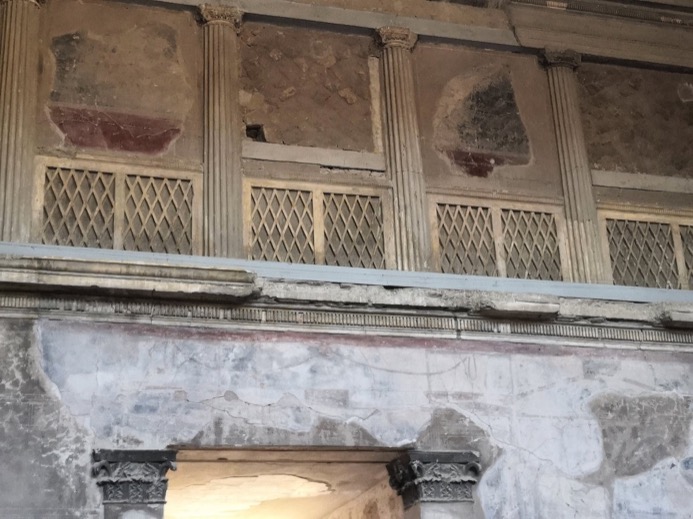
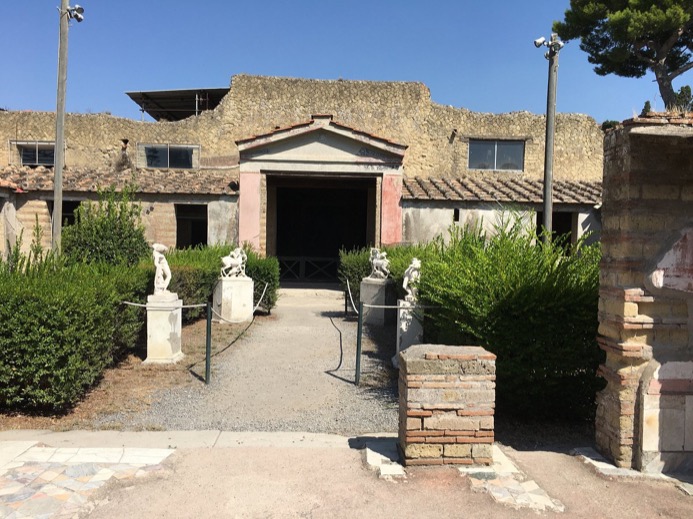
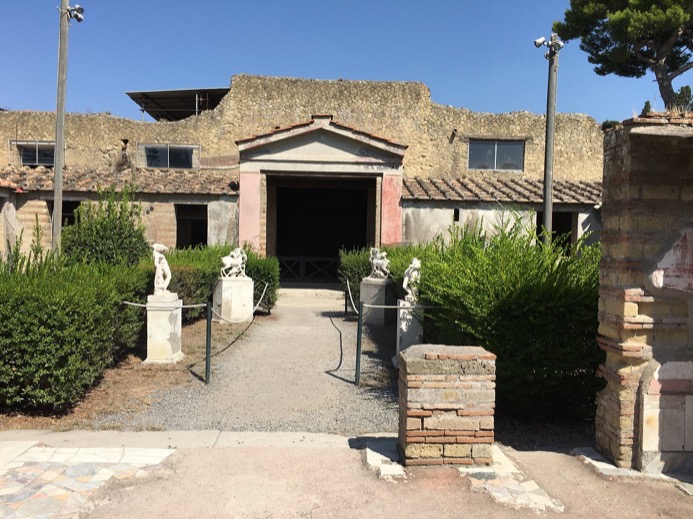
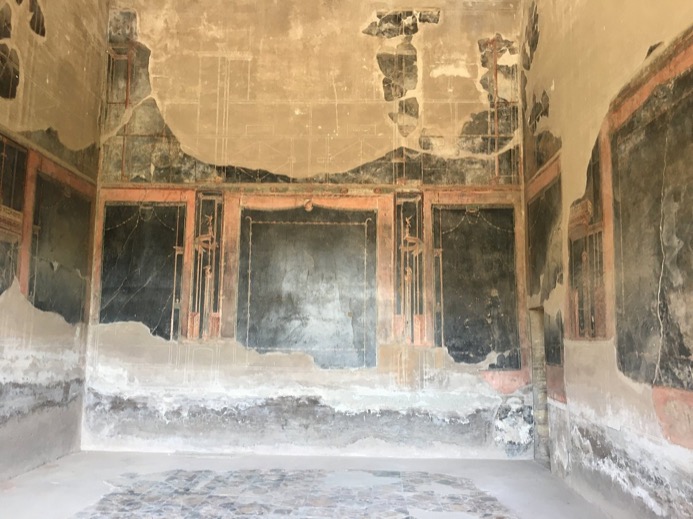
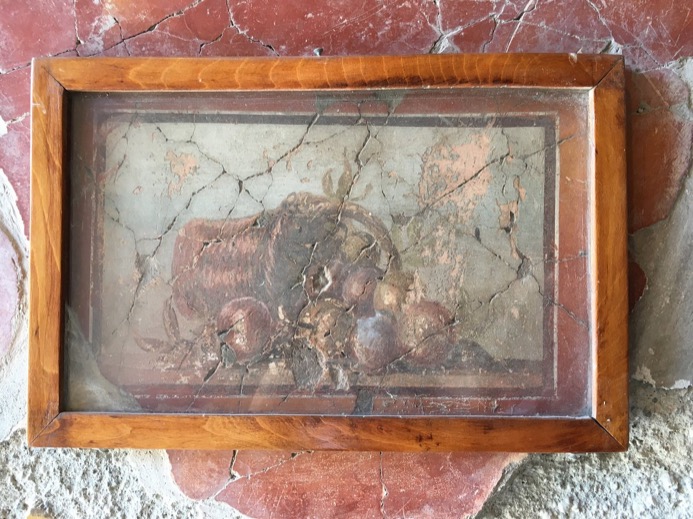
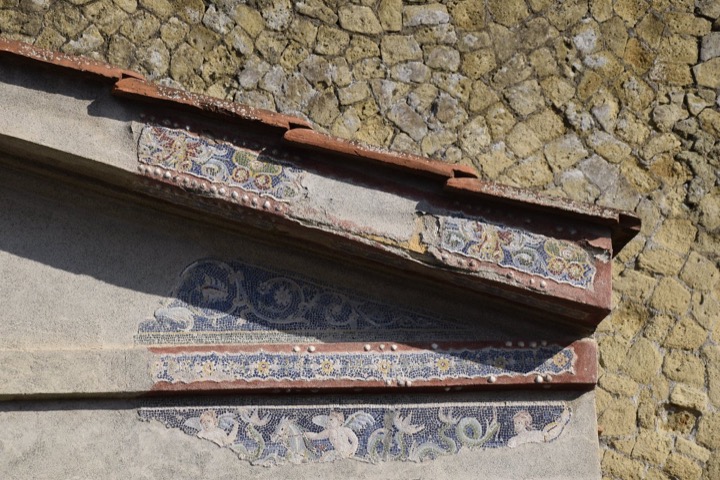
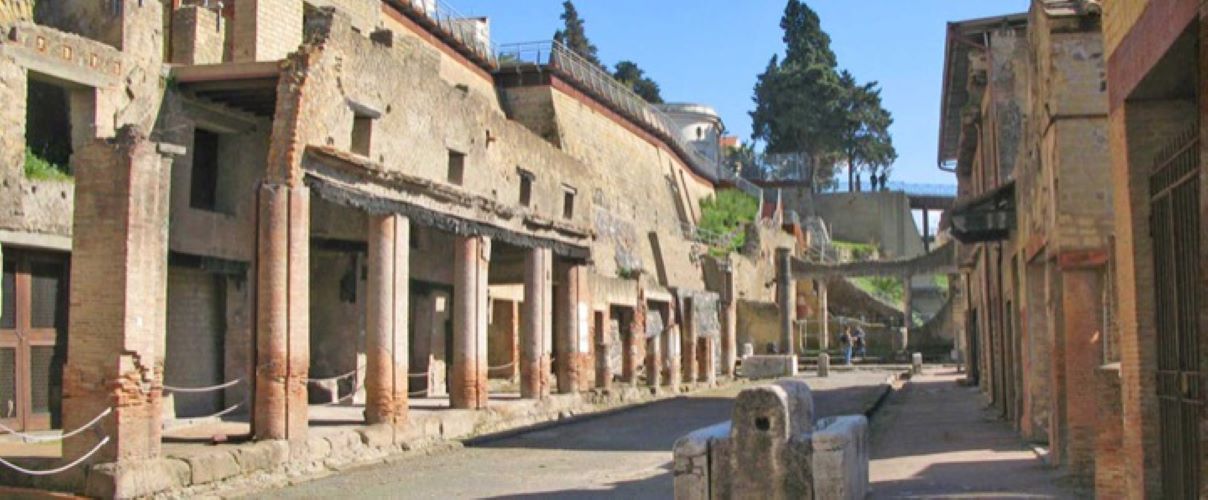
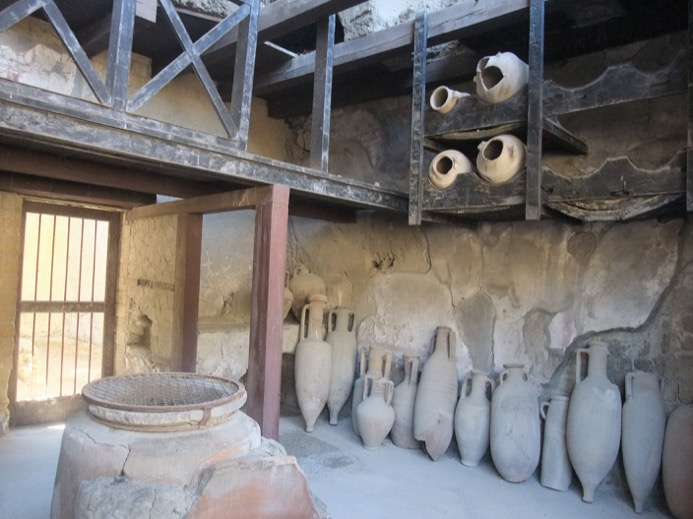
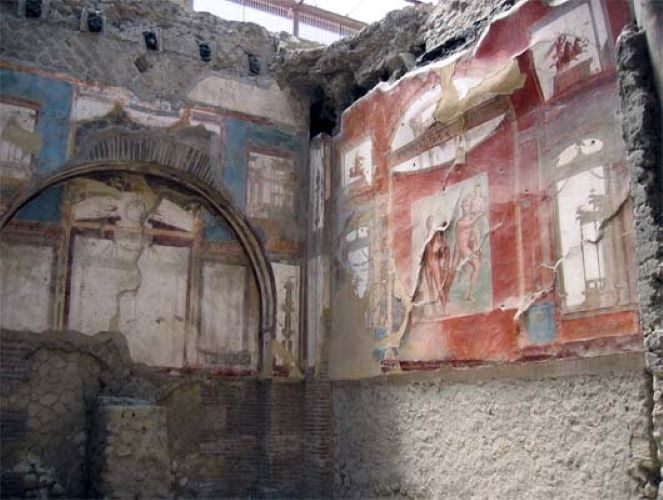
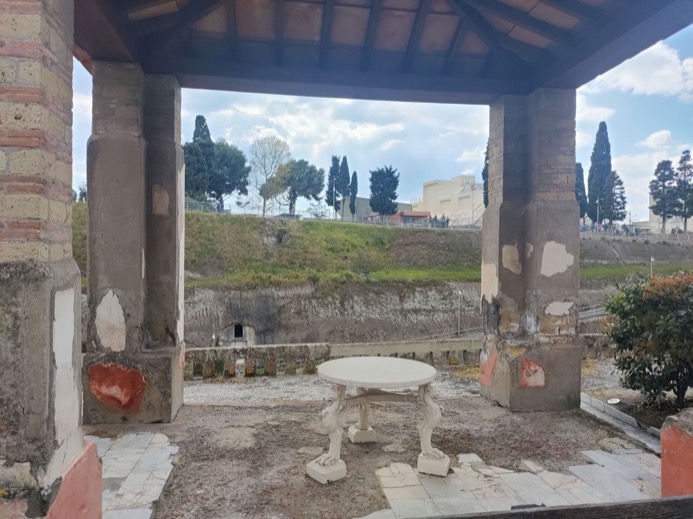
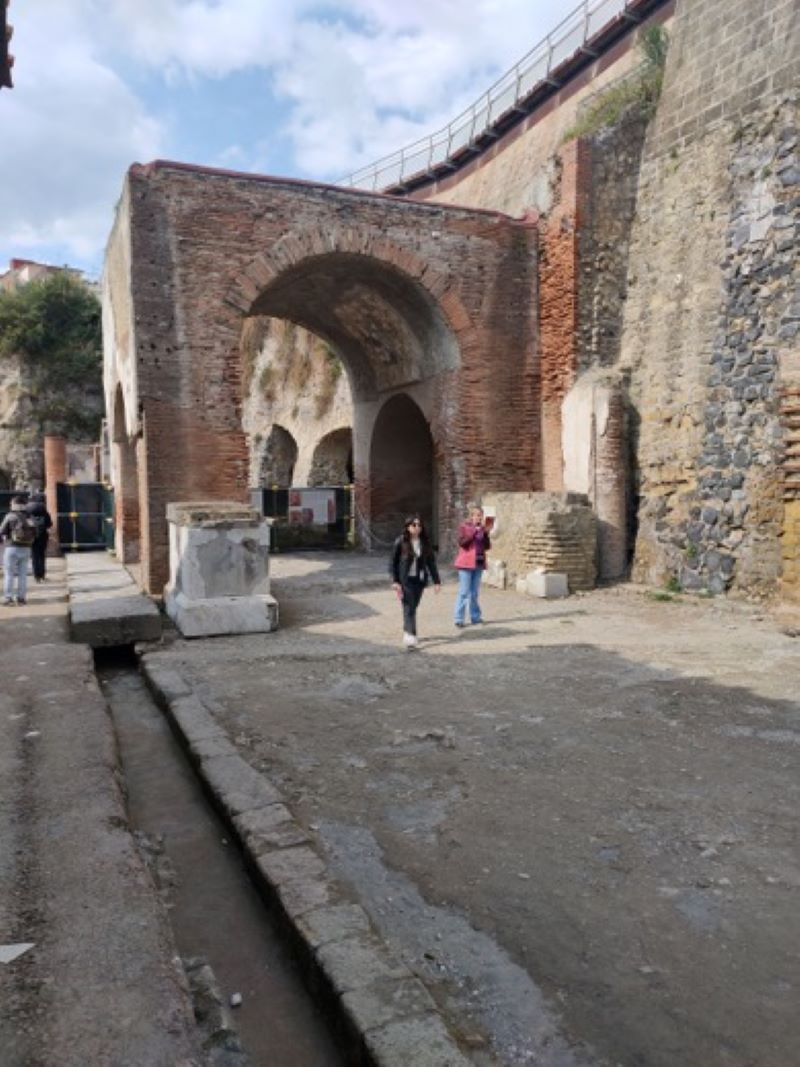
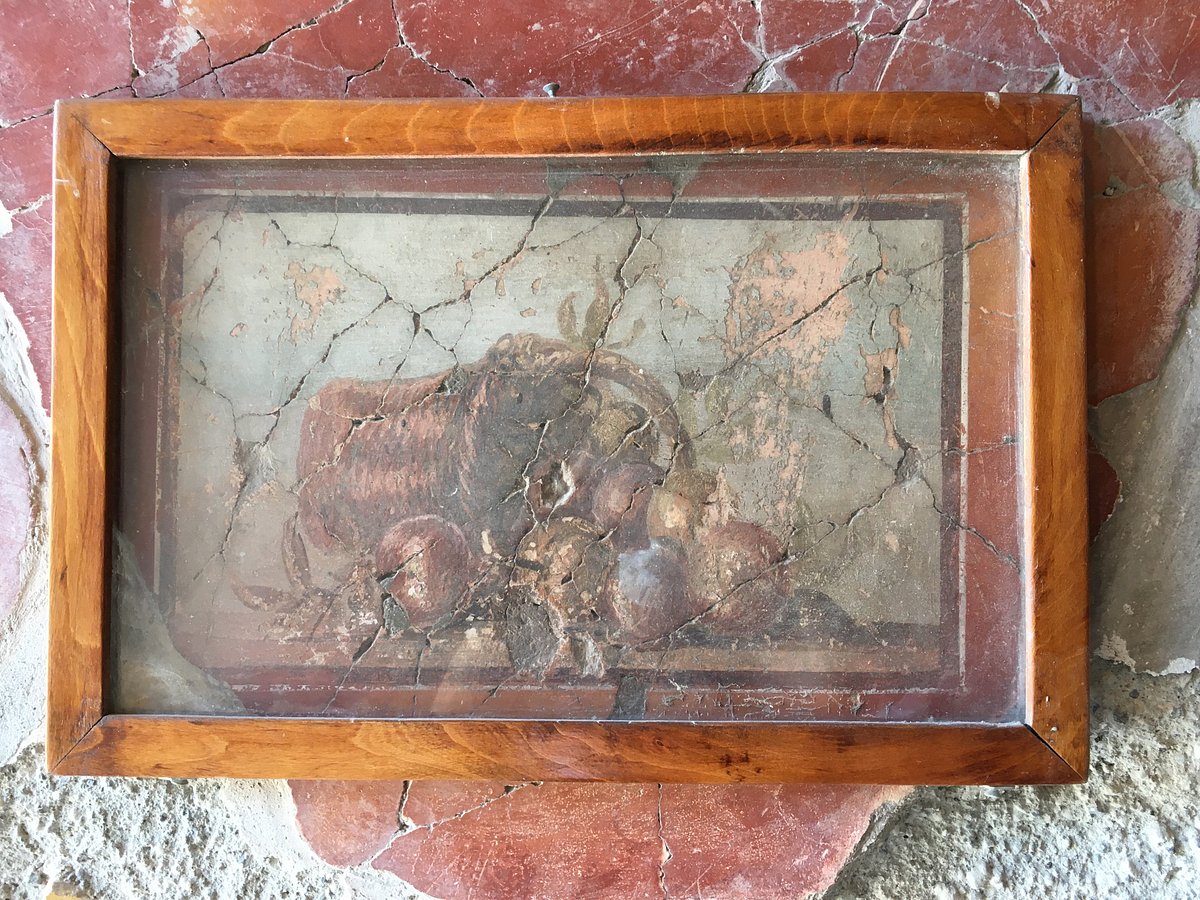
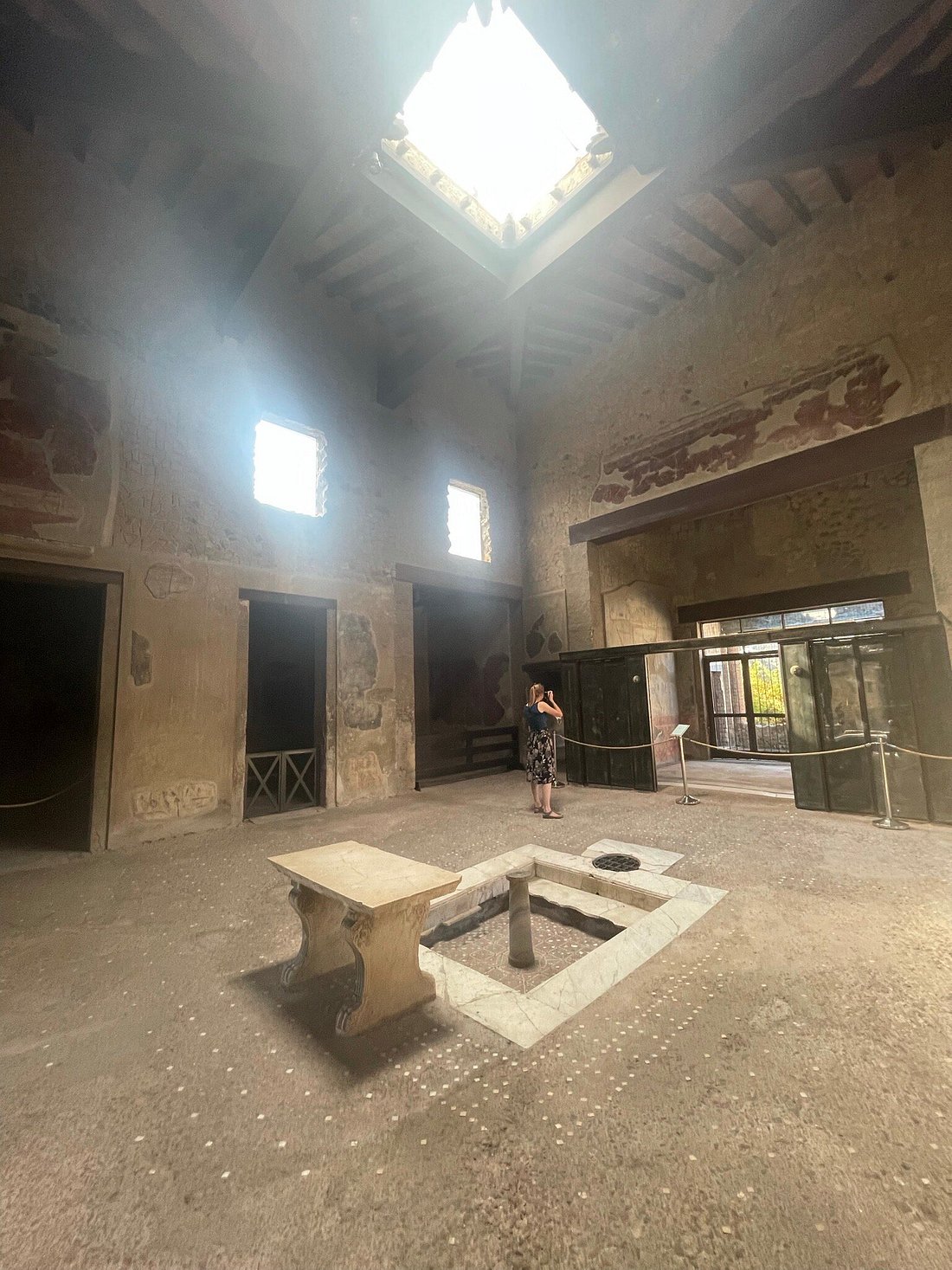
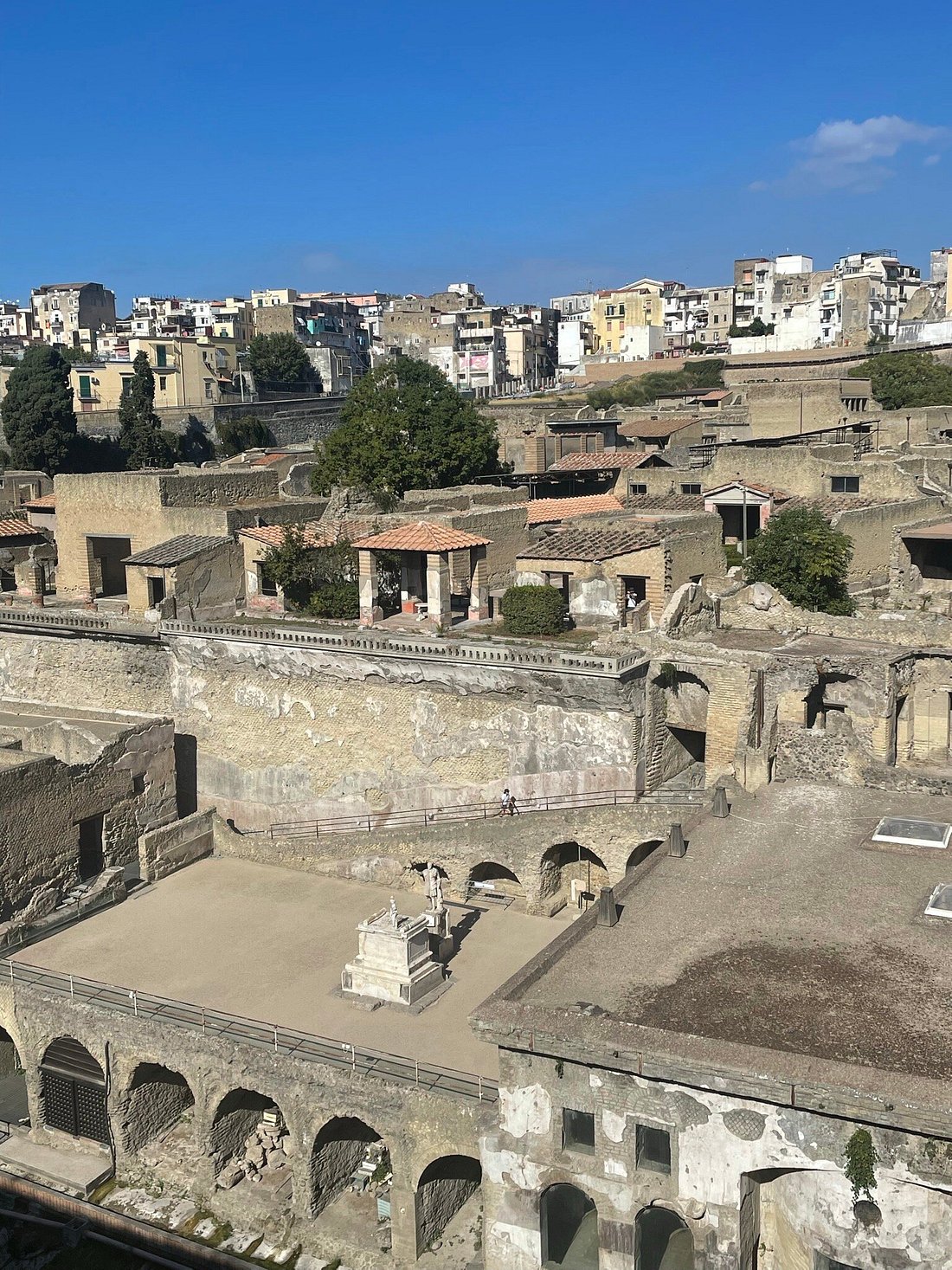
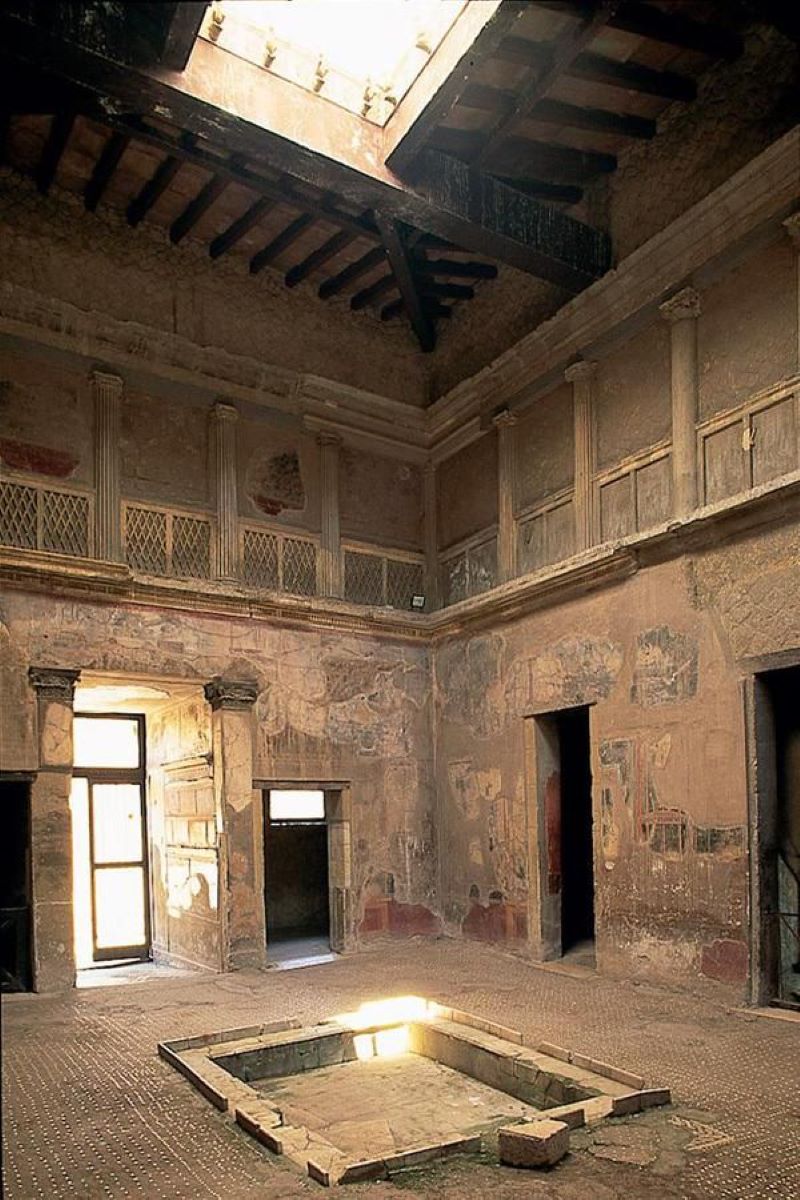
As an archaeologist I consider the excavations of Herculaneum a unique, exceptional site. They are the most preserved Roman remains ever. You will visit a Roman city crystallized by a violent eruption of Vesuvius that occurred in the year AD. An exciting experience that will indelibly enrich your travel experience. Herculaneum is an incredible ancient Roman city, smaller than Pompeii, but much better preserved. It was a rich city of the Empire that faced the center of the Gulf of Naples; many of his houses are superb and elegant, showing that many of his citizens had achieved good economic prosperity. Herculaneum is located on the slopes of Vesuvius and for this reason, was completely buried by about 25 meters of pyroclastic materials of the terrible eruption of Vesuvius that occurred in A. D. 79. Here you will see the incredible: wooden doors, windows, beds, other charred materials and the second floors of the houses. It is an extraordinary archaeological site that has a unique charm in the world.
The History of Herculaneum
Greek and Samnite Influence
Before becoming a Roman city, Herculaneum was influenced by several ancient Italic populations, including the Greeks and the Samnites. Thanks to its strategic position along the Bay of Naples, the city developed as an important coastal settlement with strong cultural and commercial connections to the Greek world.
Roman Rule
By the 4th century BC, Herculaneum became part of the expanding Roman Republic. Unlike Pompeii, Herculaneum developed primarily as a wealthy residential town favored by aristocrats and elite Roman families for its beautiful seaside location and mild climate.
Prosperity and Urban Development
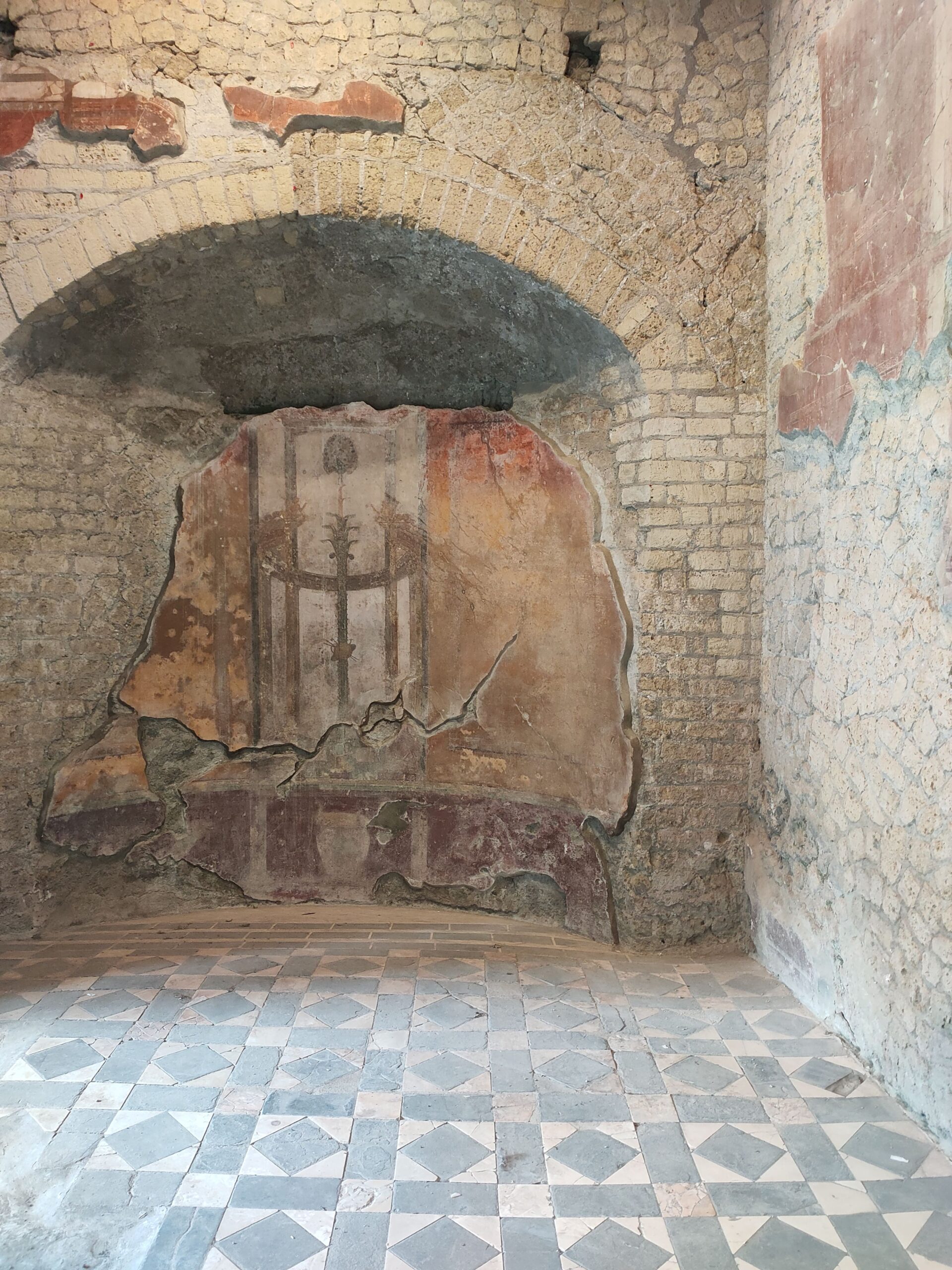
During the Roman Imperial period, Herculaneum flourished as an elegant and sophisticated city. Luxurious villas, richly decorated houses, bath complexes, temples, shops, and public buildings transformed the town into one of the most refined centers along the Bay of Naples. The city was especially known for its beautiful frescoes, mosaics, and advanced urban organization.
The Eruption of Mount Vesuvius
One of the most dramatic moments in Herculaneum’s history occurred in AD 79, when Mount Vesuvius erupted catastrophically. Unlike Pompeii, which was mainly buried under ash and pumice, Herculaneum was overwhelmed by extremely hot pyroclastic flows that buried the city beneath deep volcanic material. The intense heat carbonized wood and organic materials, preserving houses, furniture, doors, and even food with extraordinary detail.
Rediscovery
Herculaneum remained buried and forgotten for centuries until its accidental rediscovery in the 1710 made by a farmen named Ambrogio Nocerino while he was digging a well in his land to find water.
Archaeological excavations began shortly afterward under the Bourbon kings of Naples, uncovering one of the best-preserved ancient Roman cities ever discovered.
Herculaneum Today
Today, Herculaneum Archaeological Park is considered one of the most important archaeological sites in the world. Visitors can walk through ancient streets, admire remarkably preserved houses, frescoes, wooden structures, and public buildings, and experience an exceptional glimpse into daily life in ancient Rome.
I can also customize the tour upon request.
Itinerary
During the guided tour of the ancient city you are visiting (the order might change while we walk during this tour):
– The ancient beach
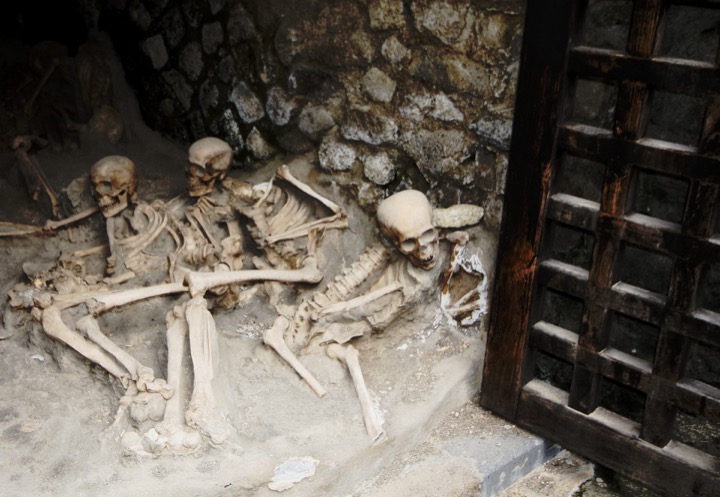
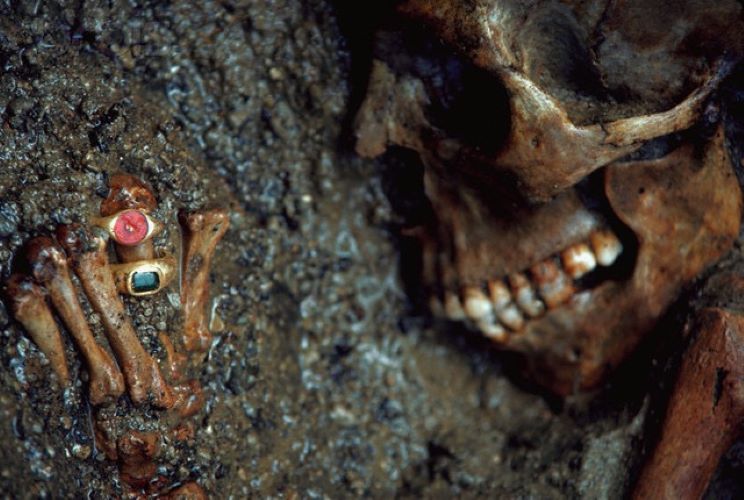
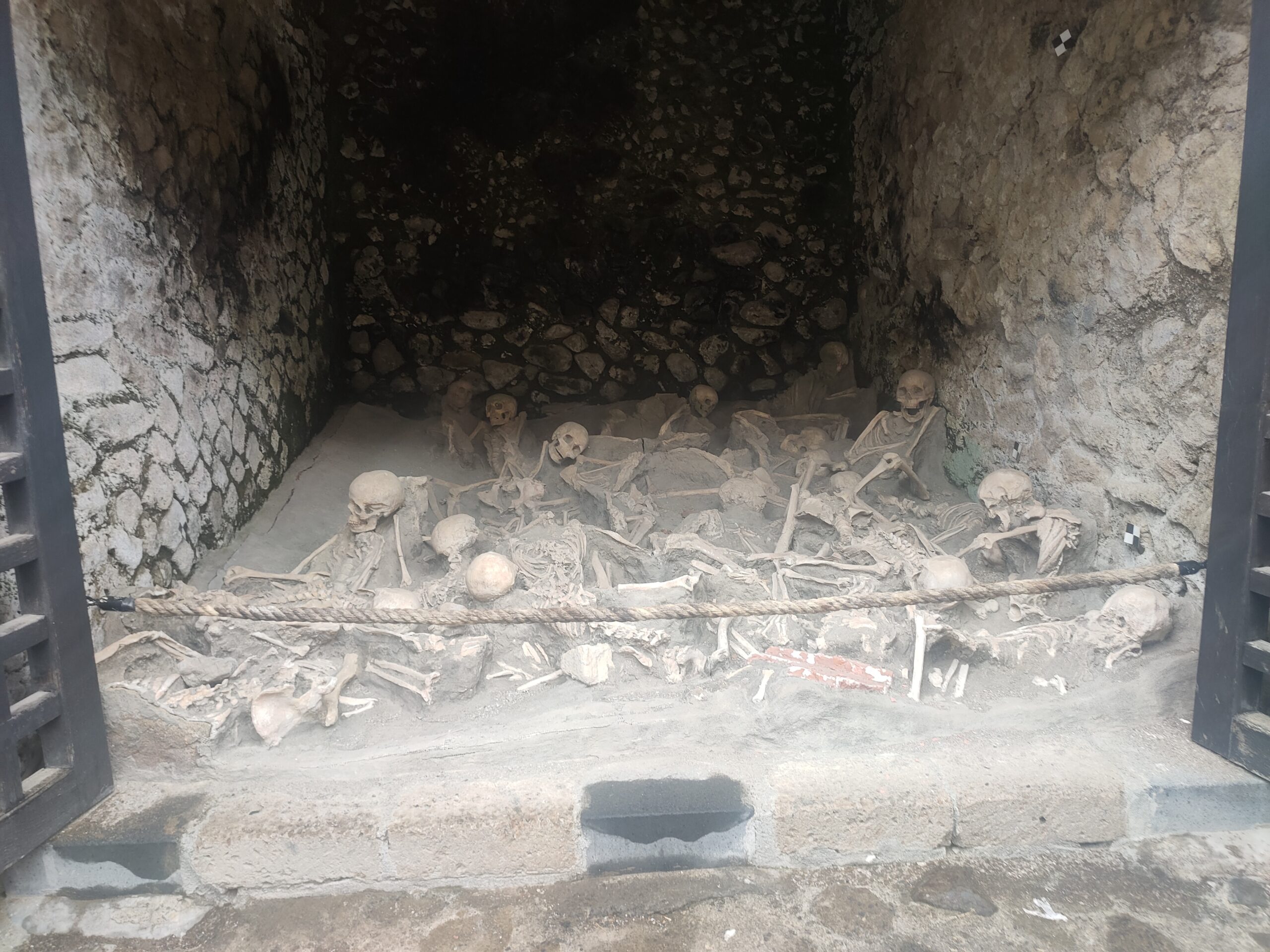
– The skeletons
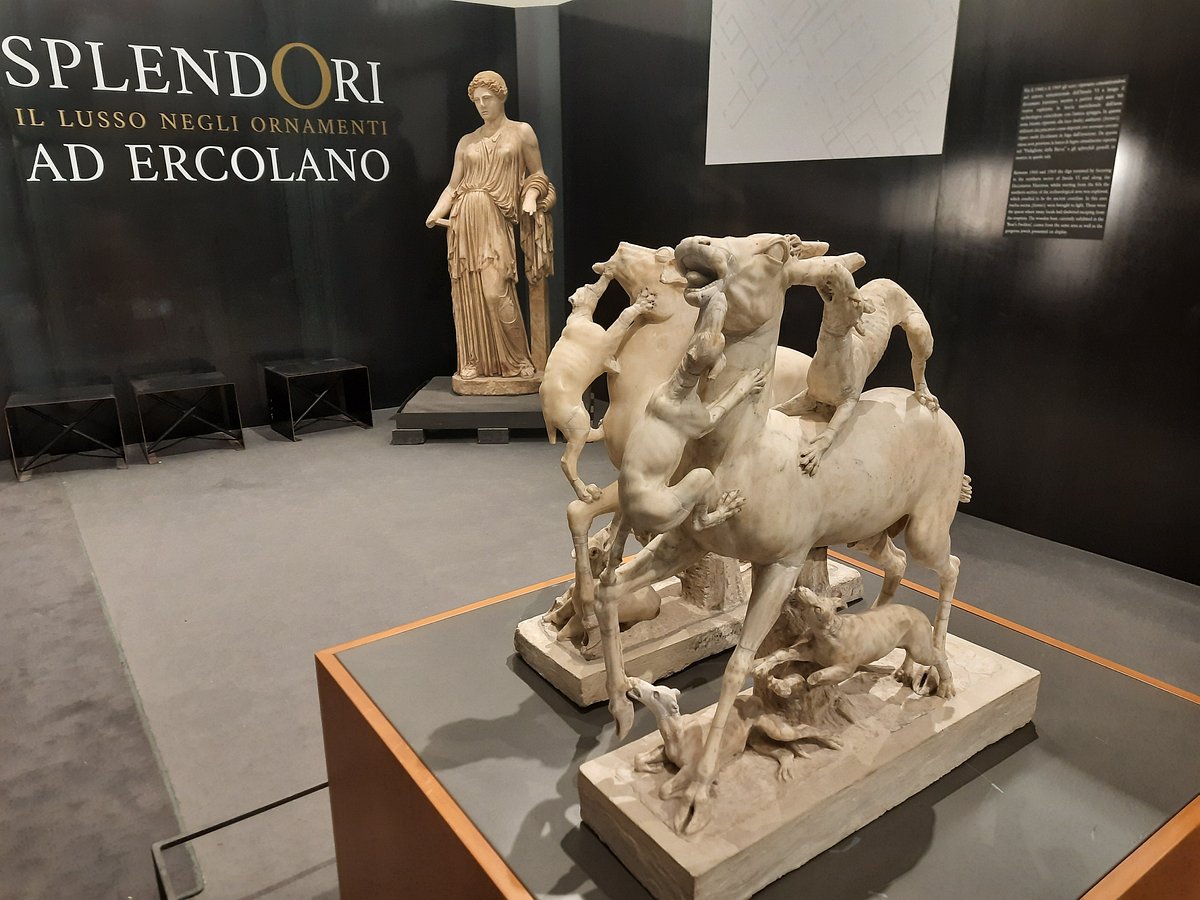
– The House of the Deer
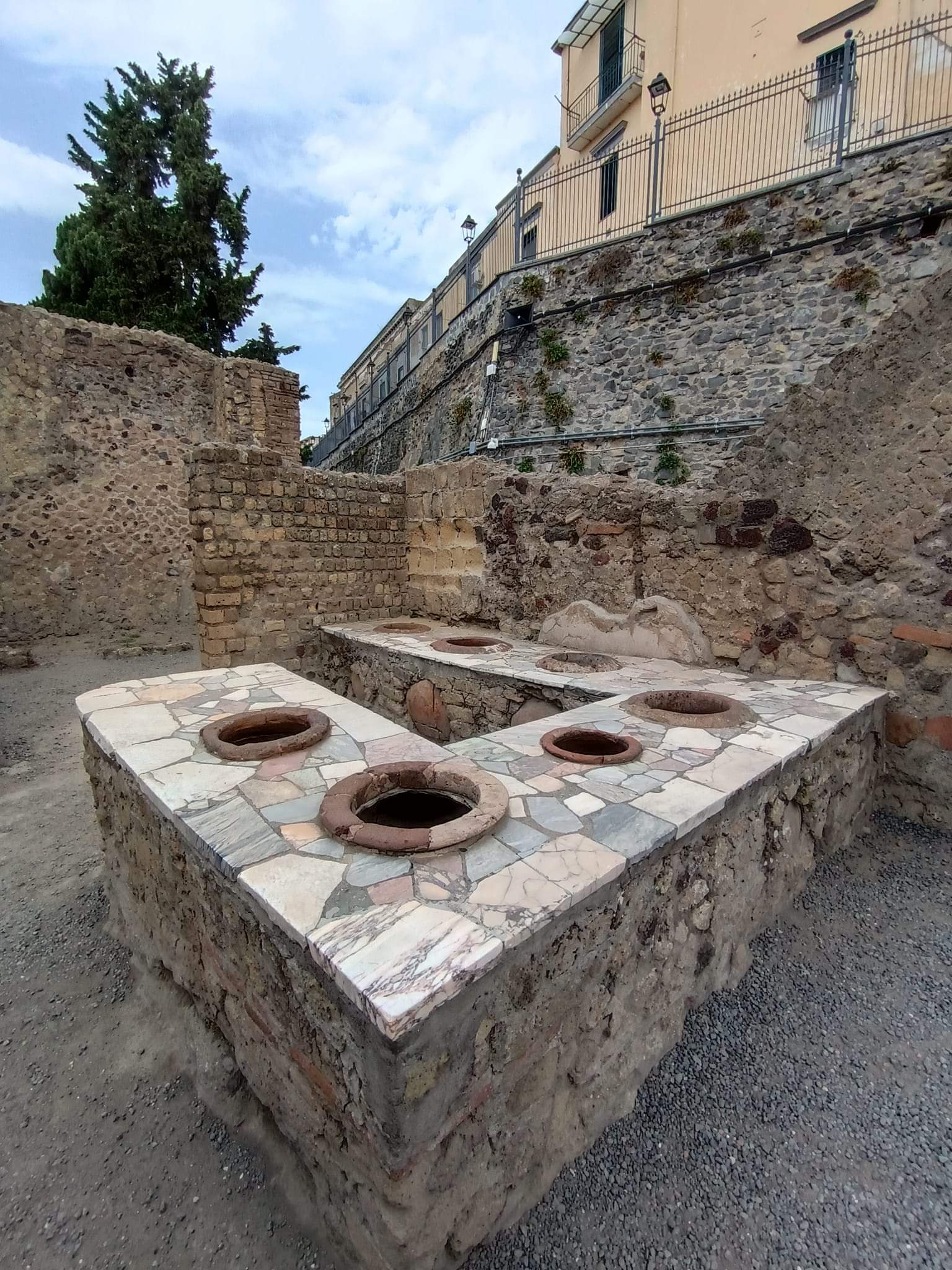
– A roman fast food
– The House of the Wodden Partition
– The Samnite House
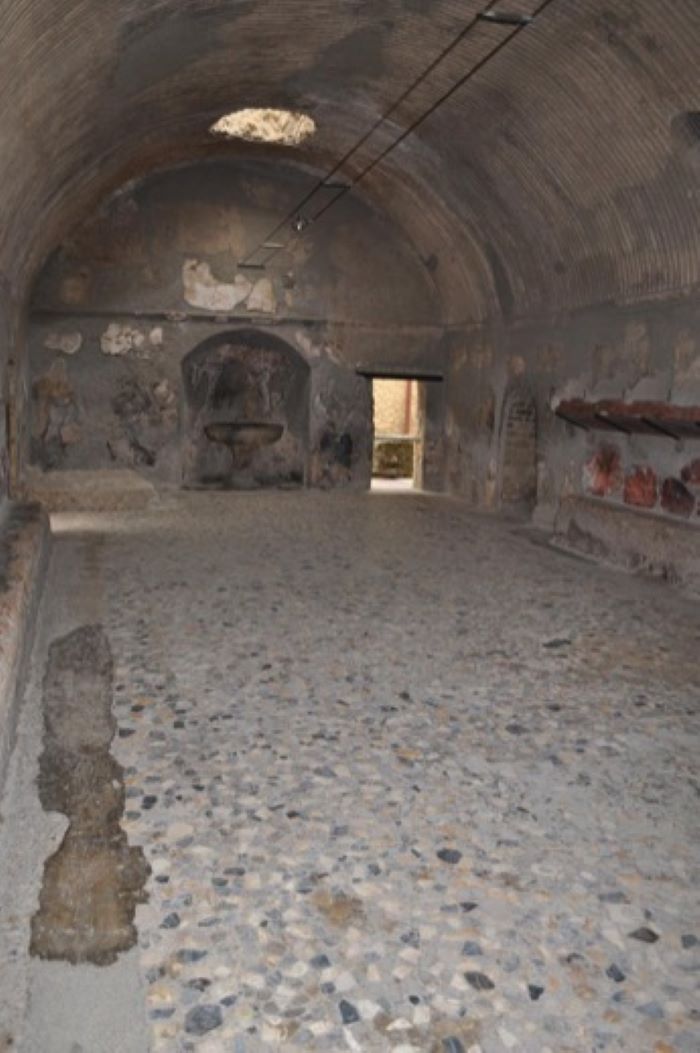
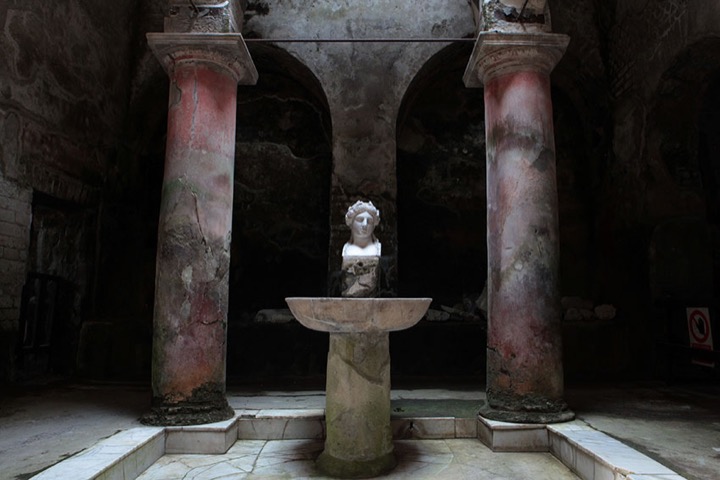
– The Public Baths
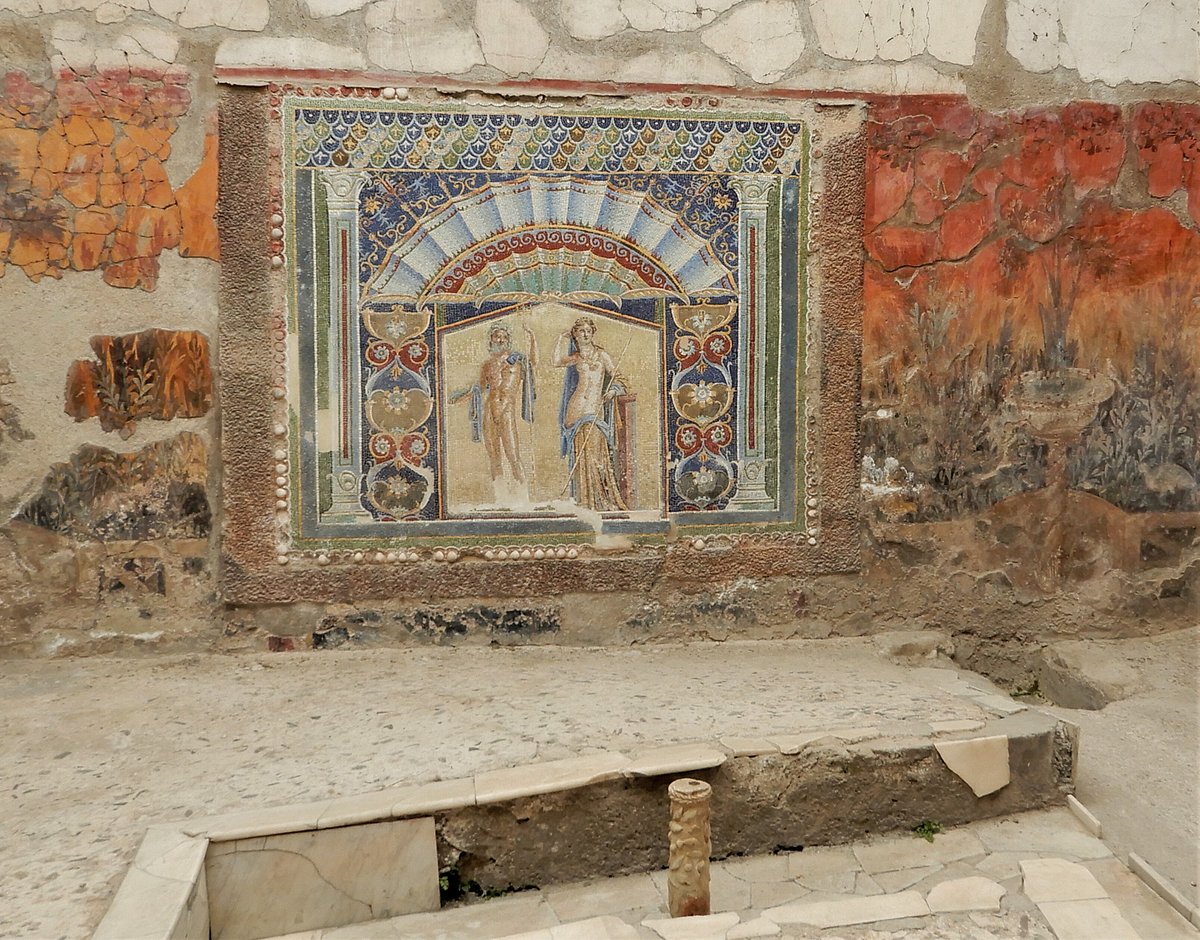
– The House of Neptune and Amphitrite
– The Decumanus Maximus: the main street
– The House of the Bicentenary
– The Guild of the Augustales
What’s included
– Private Guide.
– Transportation by a modern Minivan and professional driver, pick up and drop off from your accomodation in the area of Naples. For the Sorrento area there is an extra cost of €70 for transport due to the greater distance.
What’s not included
Tour duration
The tour lasts approximately 4 hours.
– The area of Naples
– The area of Sorrento