Oplontis and Stabiae Guided Tour: a Journey into the Past
Oplontis and Stabiae, two extraordinary Roman sites buried by the eruption of Mount Vesuvius in AD 79. Accompanied by a professional archaeologist, you will explore magnificent aristocratic villas that reveal the luxury, elegance, and daily life of Rome’s wealthiest families.
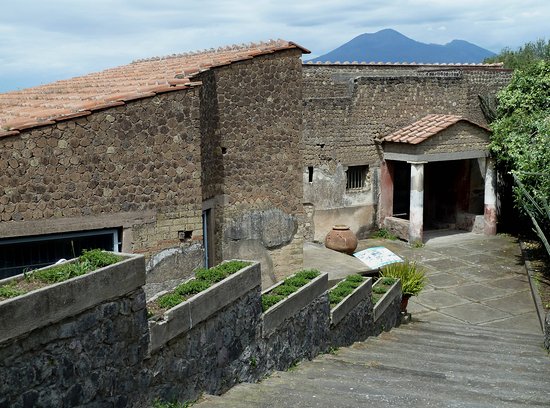
Unlike the crowded streets of Pompeii, these remarkably preserved residences offer a quieter and more intimate experience, allowing visitors to admire exceptional frescoes, refined architecture, and breathtaking views overlooking the Gulf of Naples.
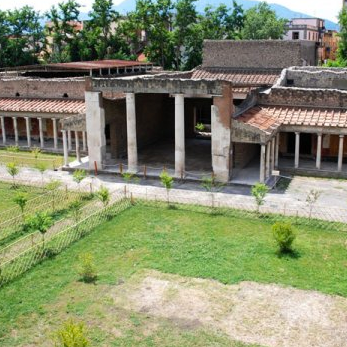
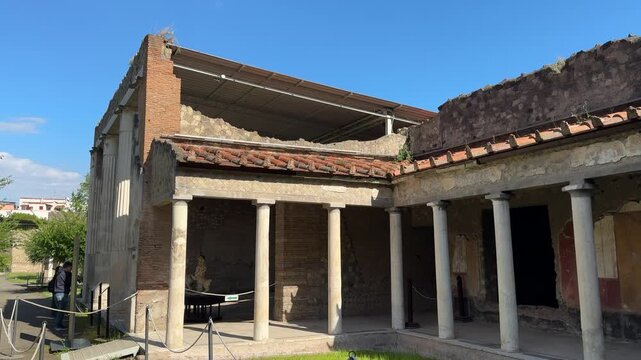
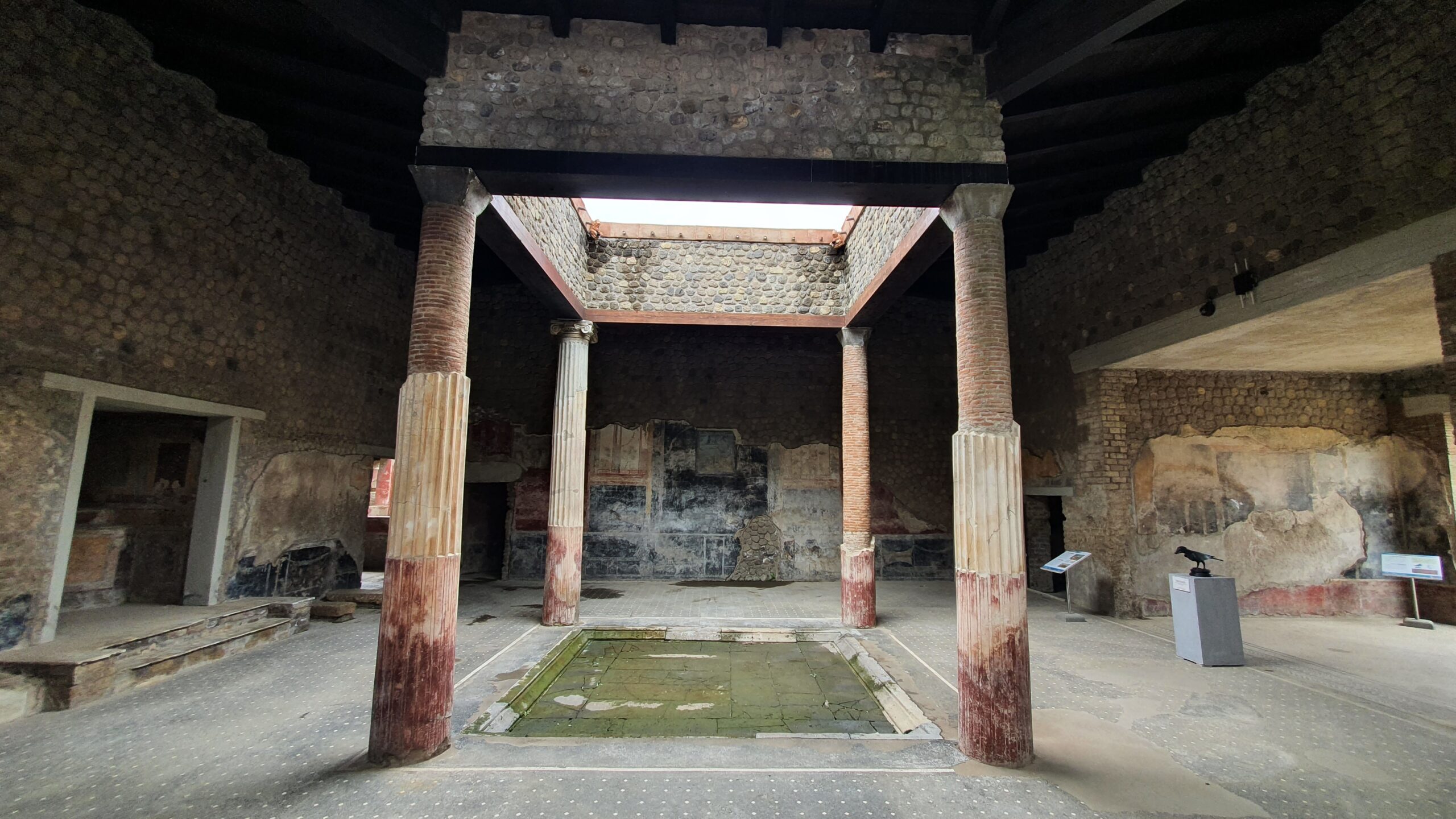
Oplontis – Villa of Poppaea
The Villa of Poppaea, traditionally associated with Poppaea Sabina, the wife of Emperor Nero, is one of the finest examples of Roman luxury ever discovered.
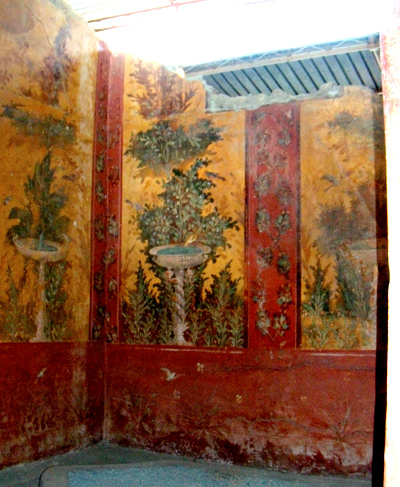
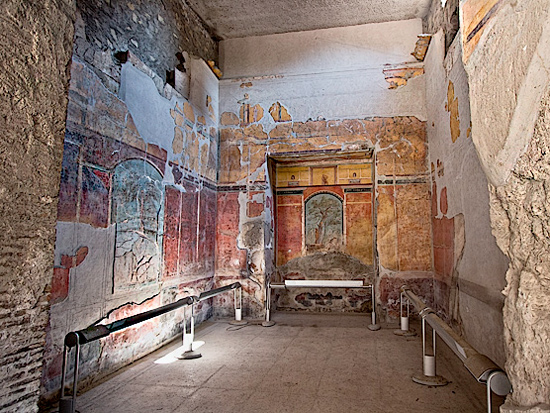
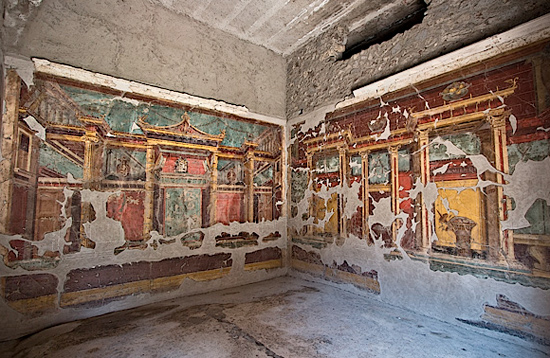
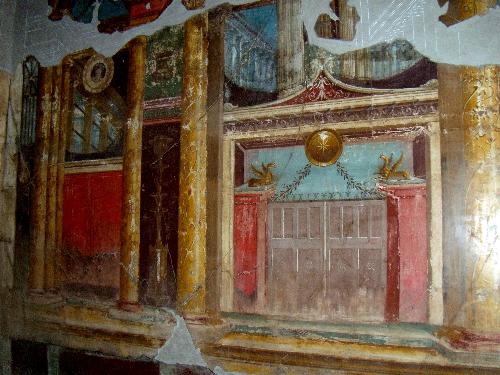
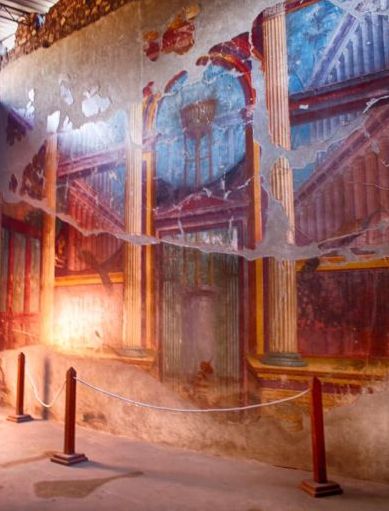
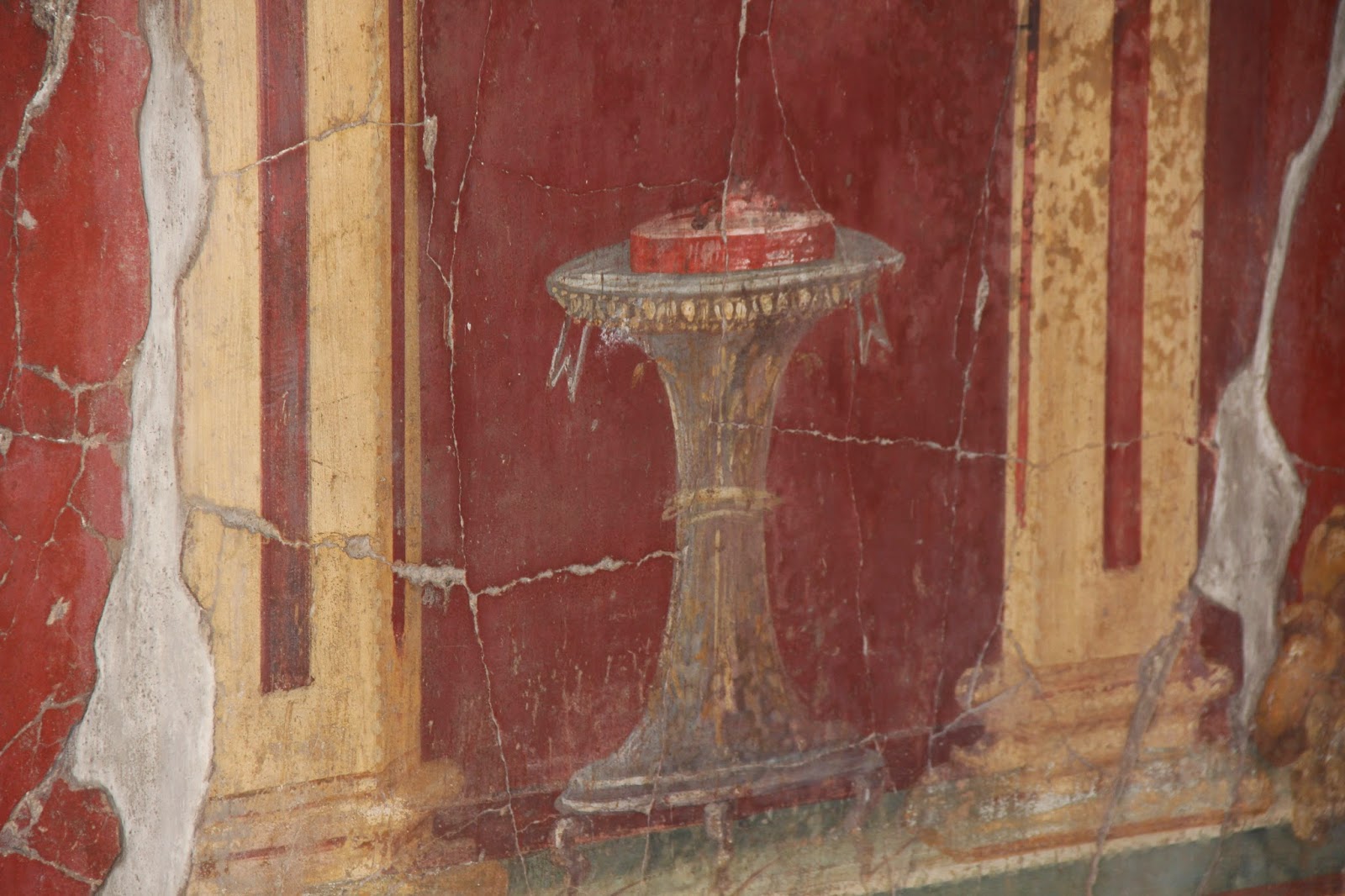
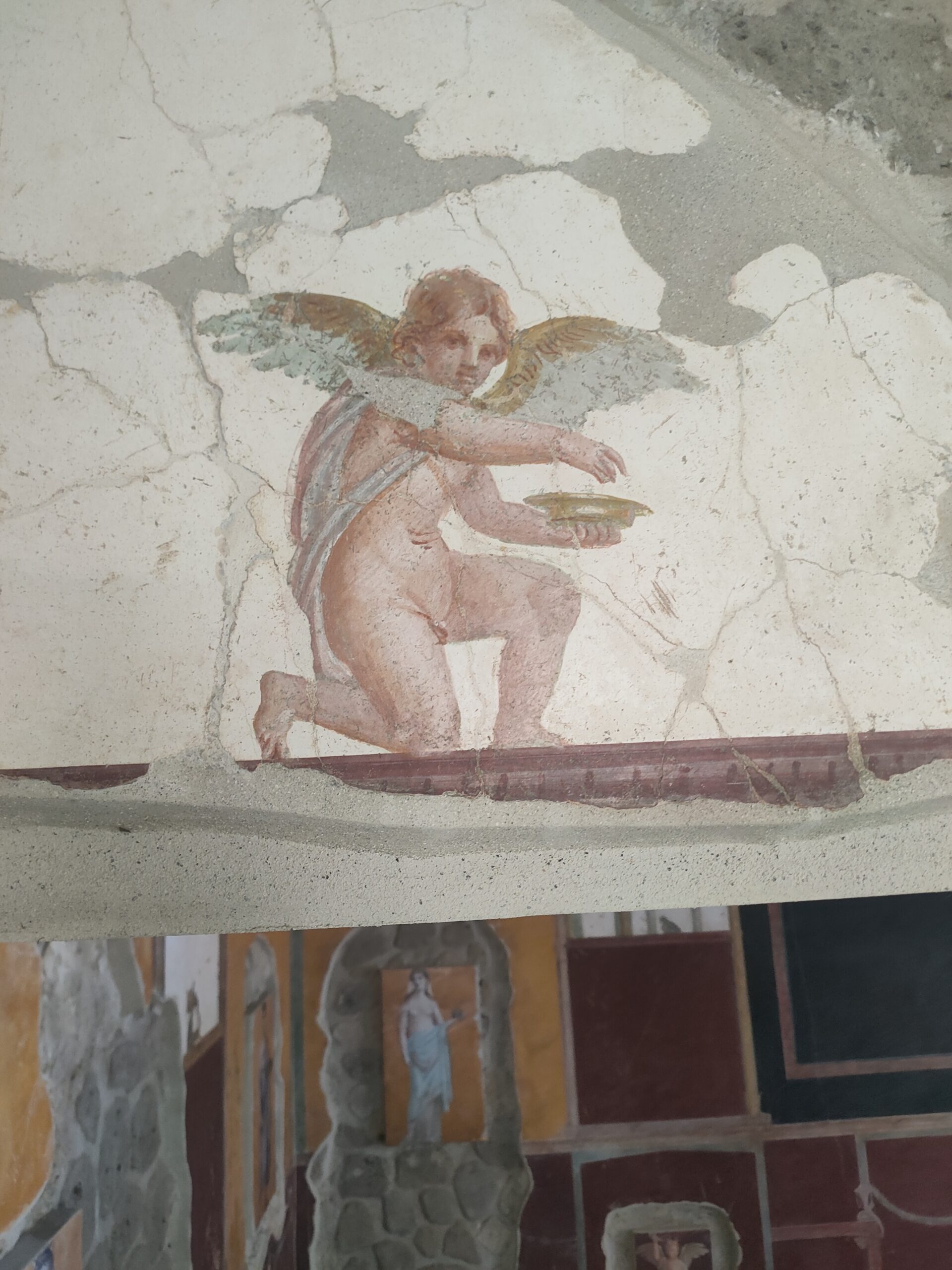
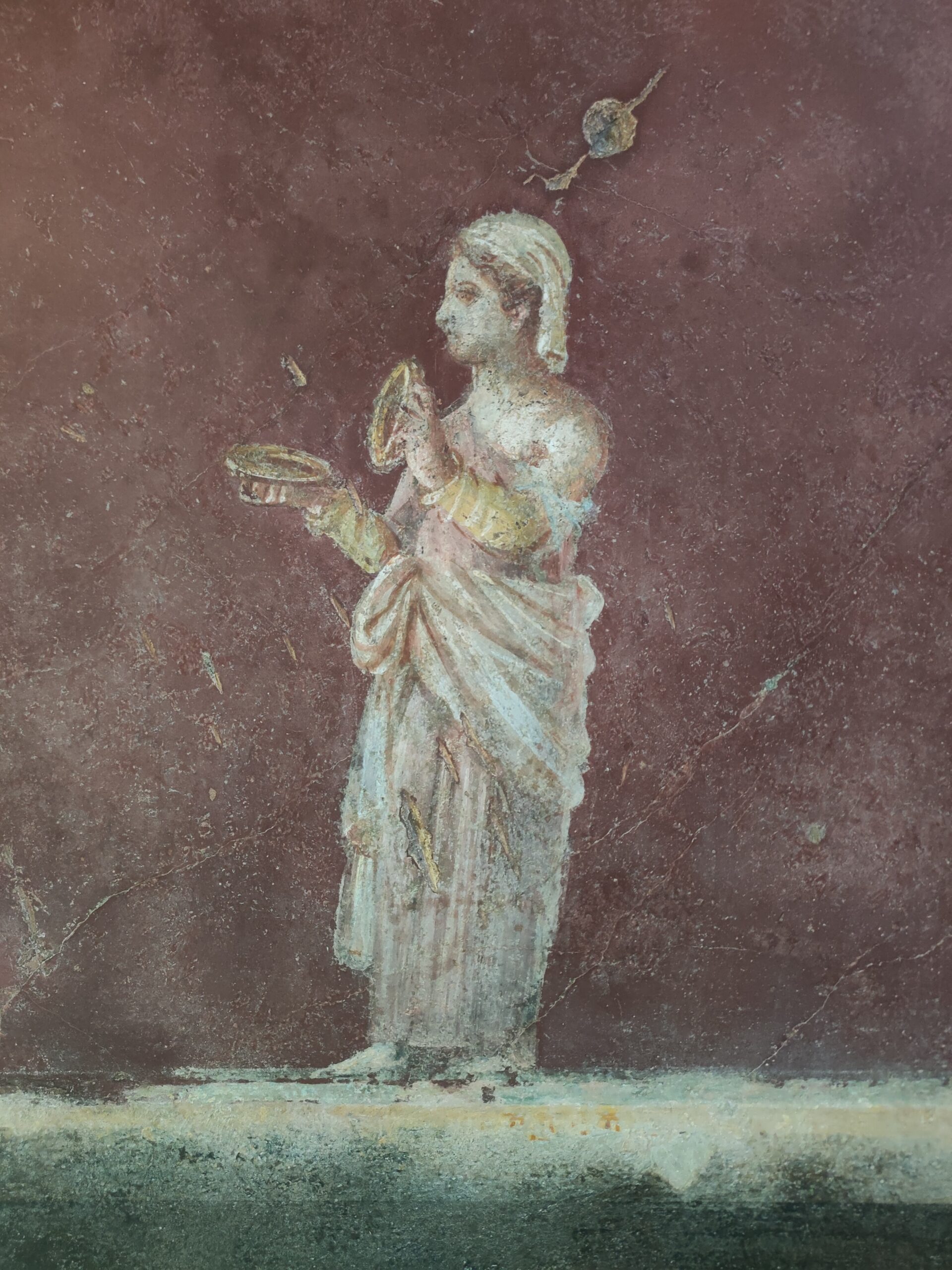
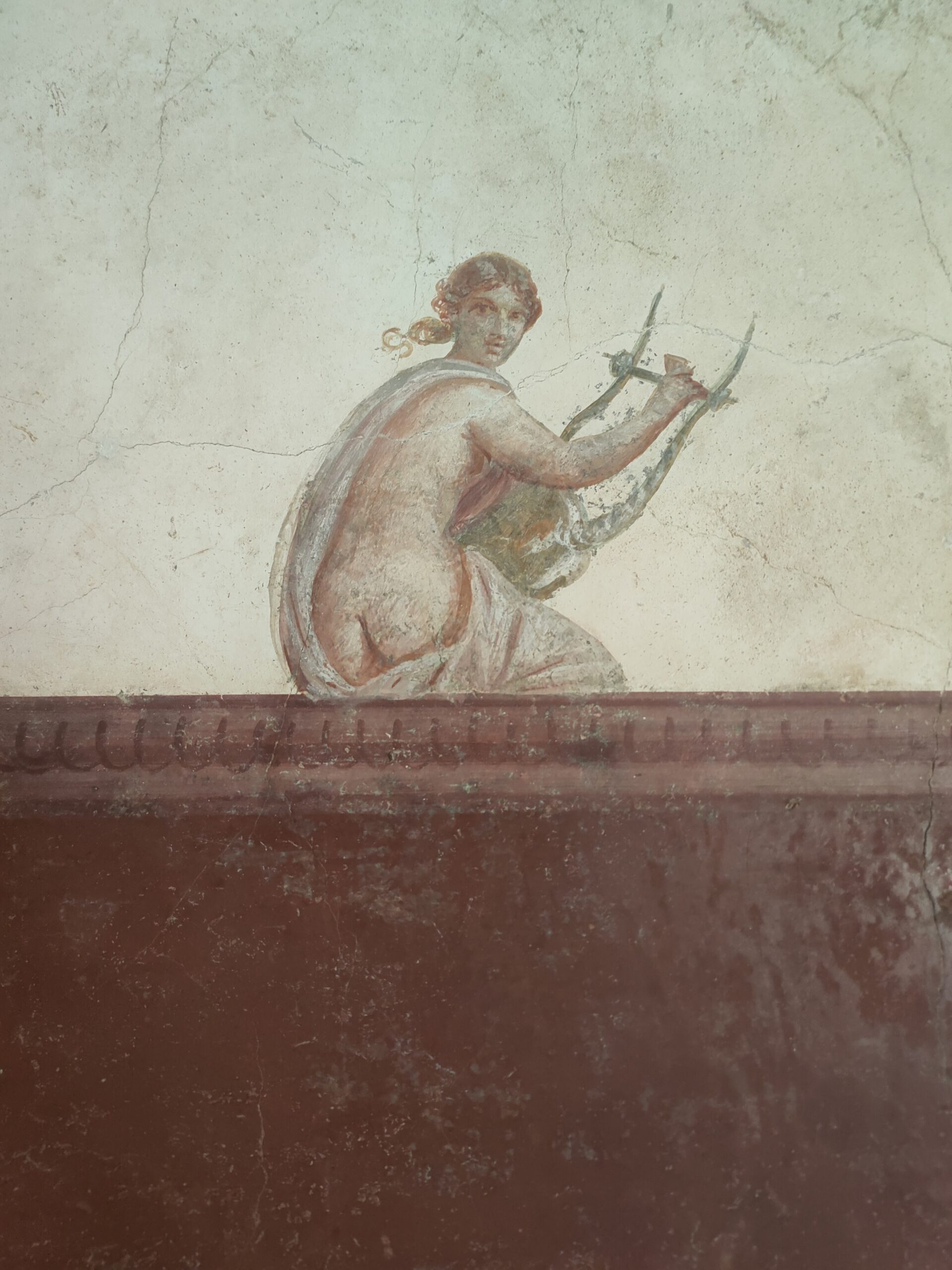
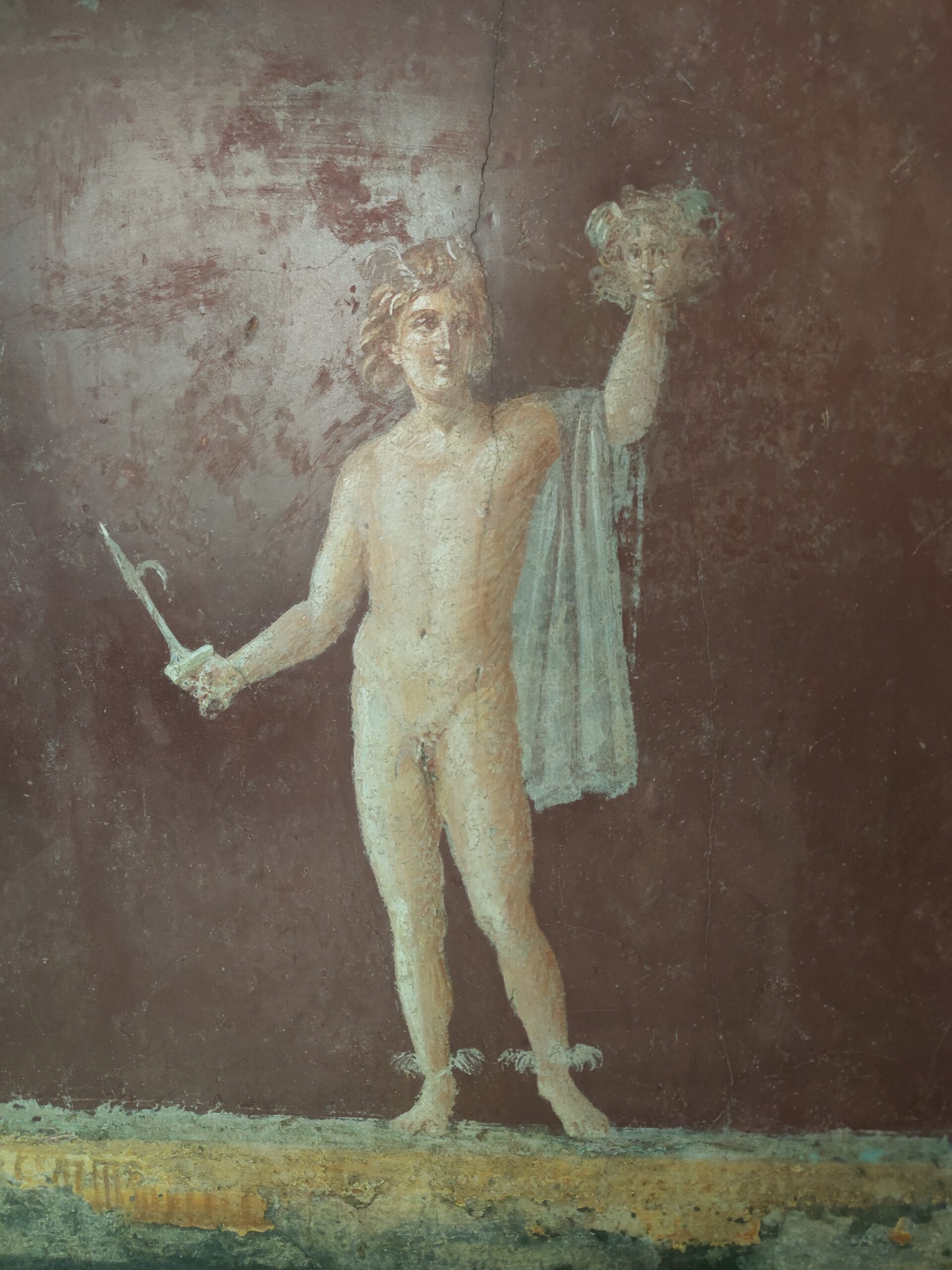
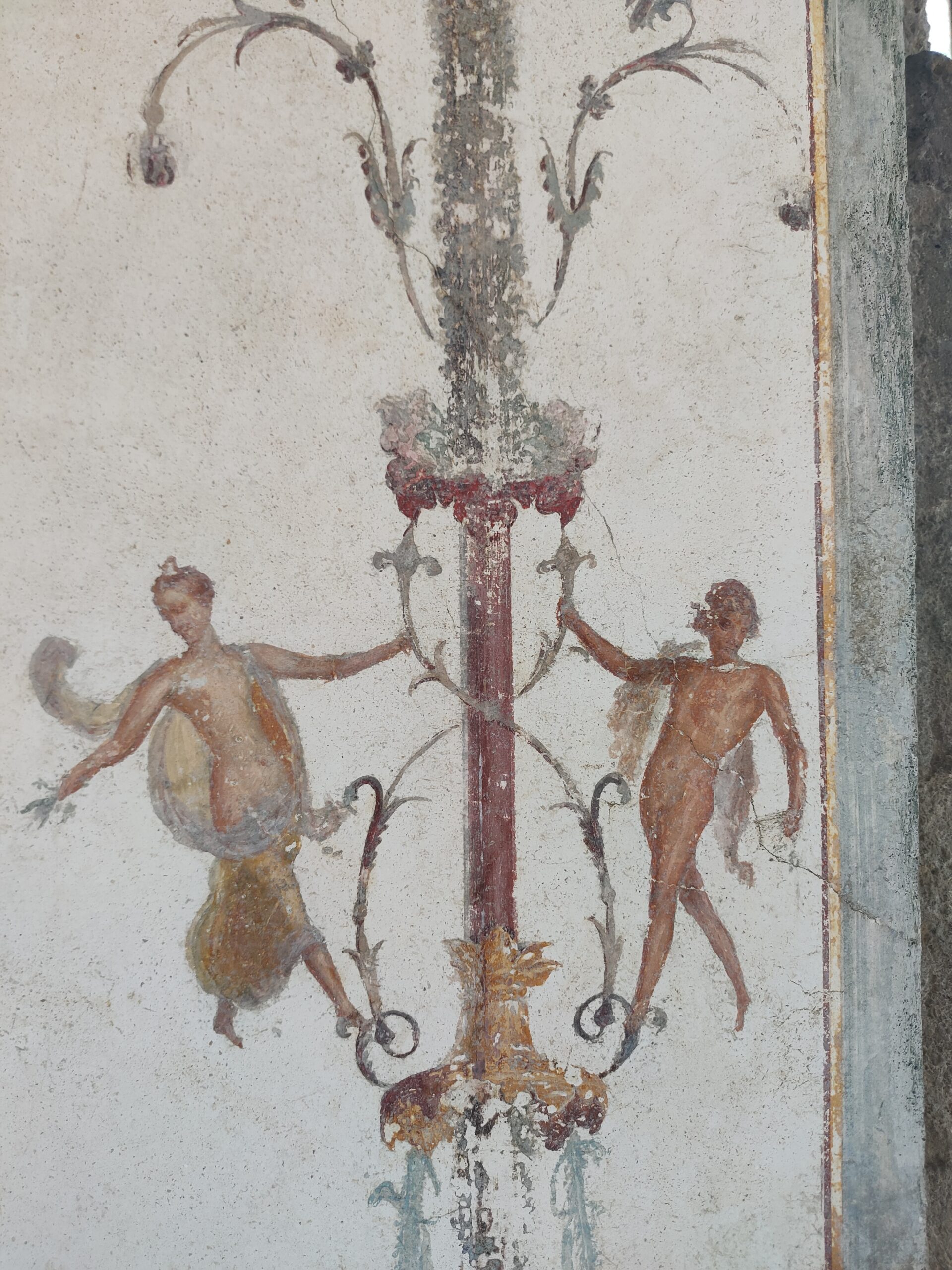
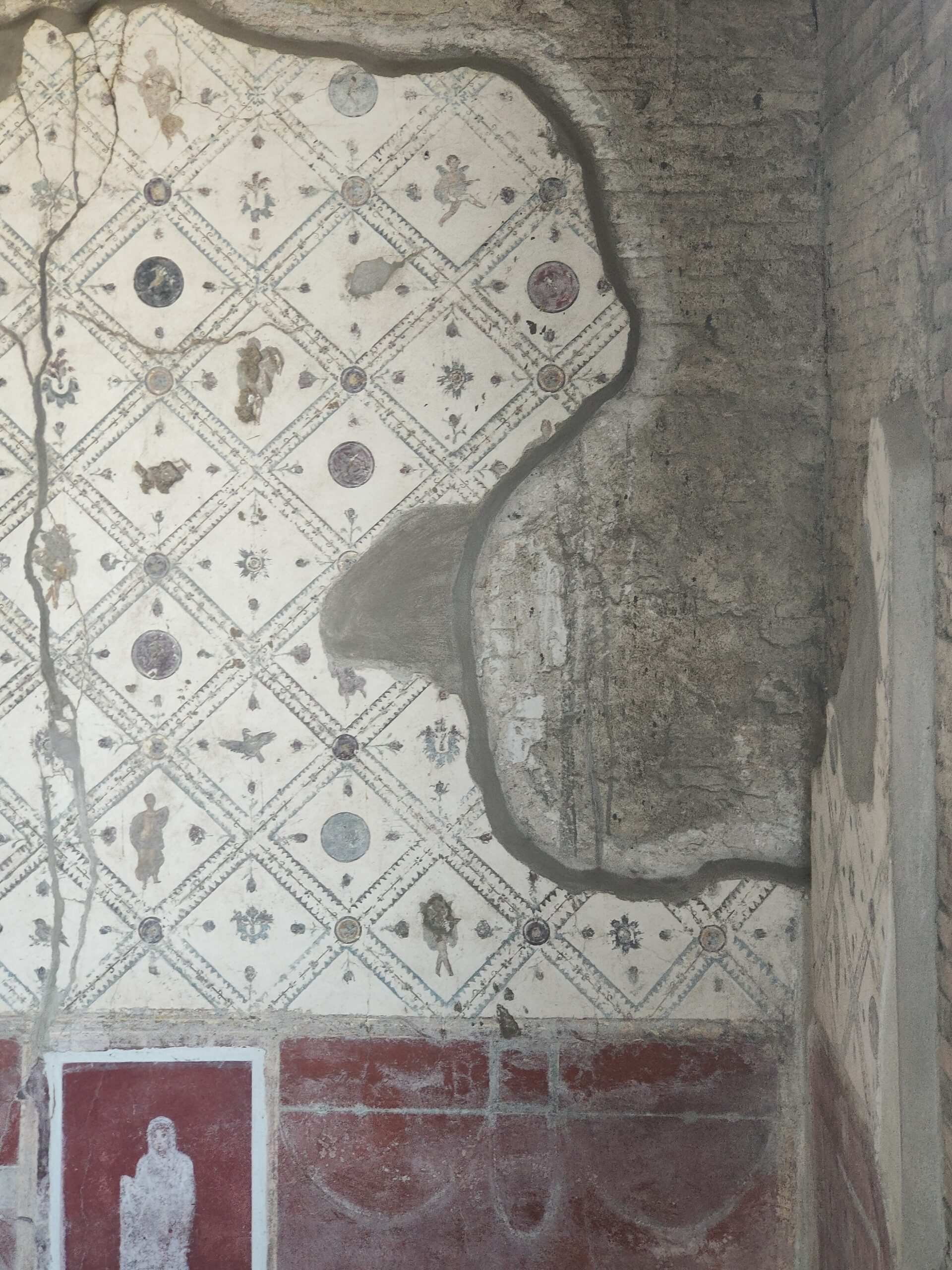
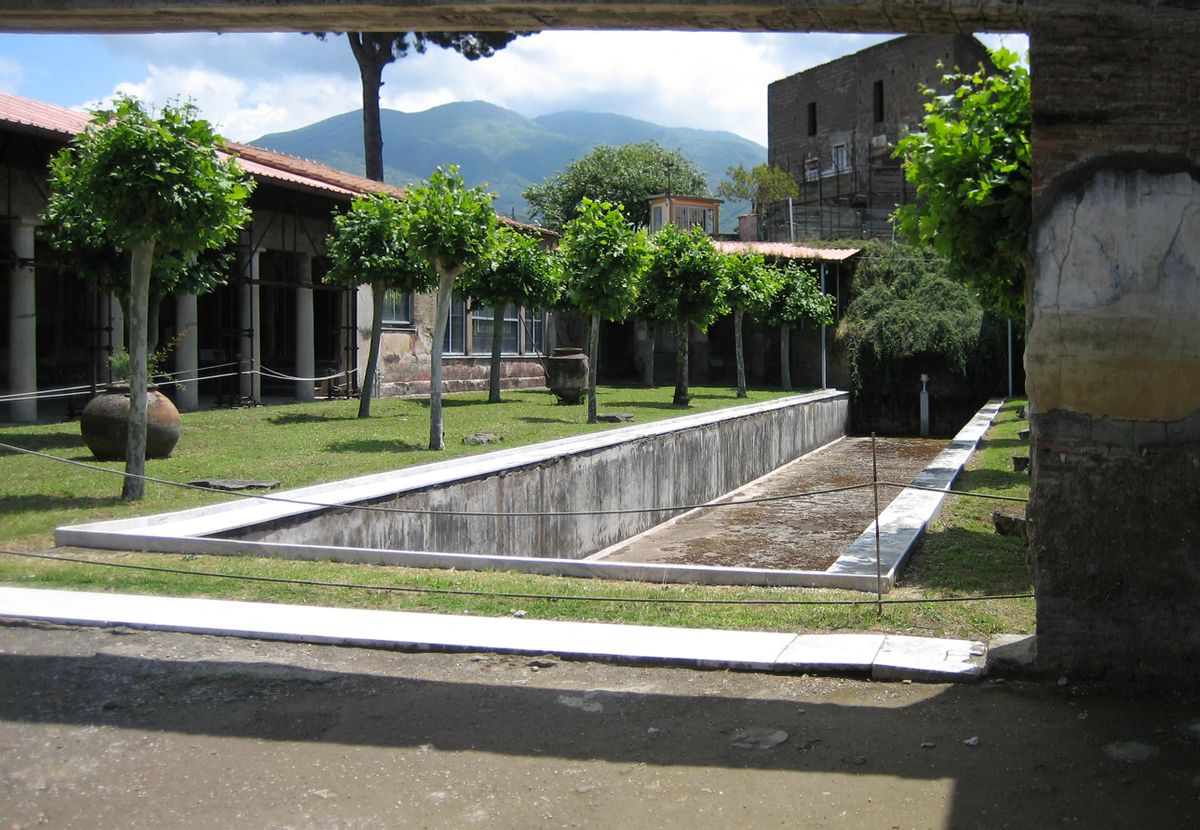
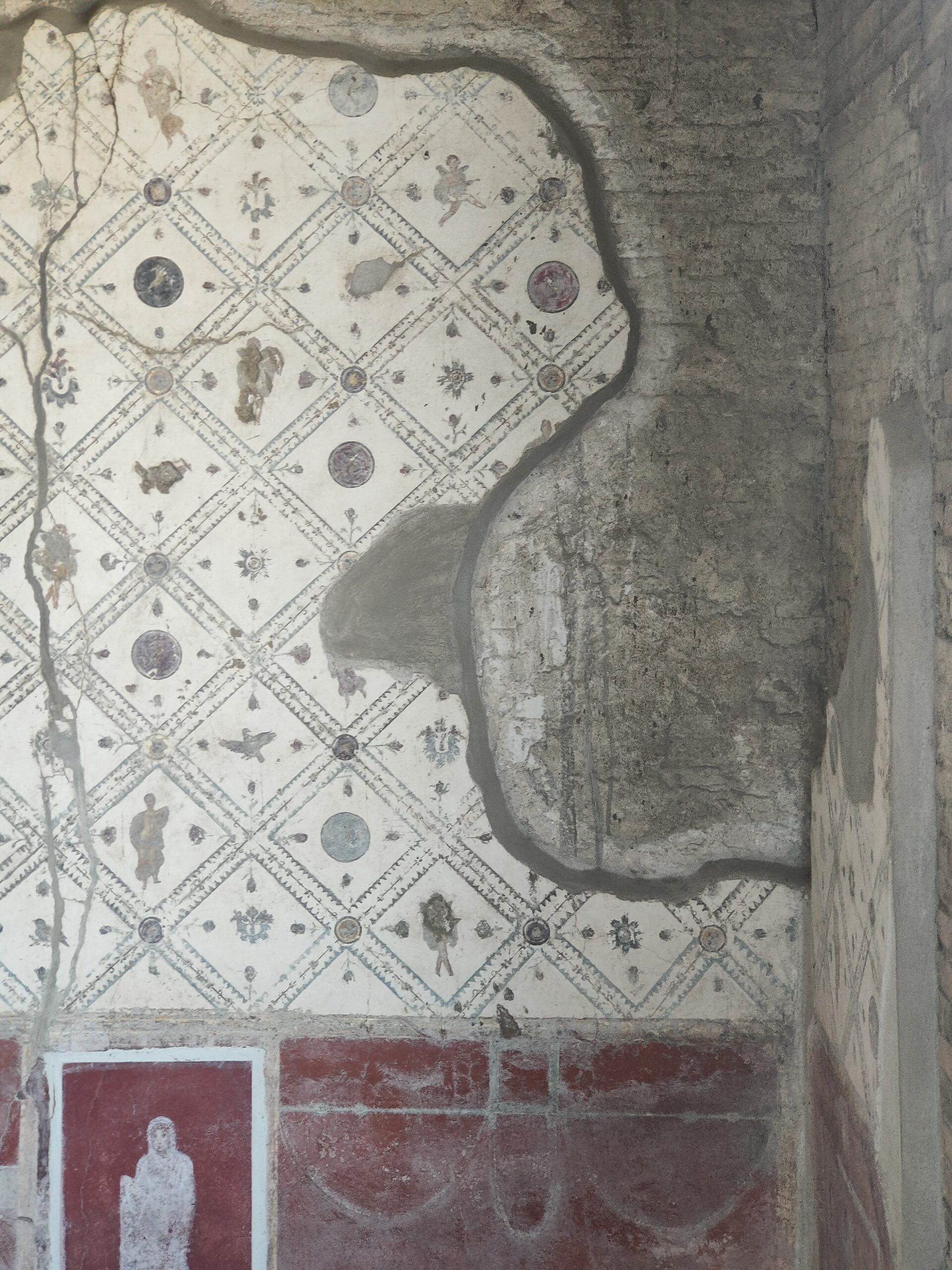
Its vast residence features elegant peristyles, beautifully decorated reception rooms, one of the largest swimming pools of the Roman world, and exceptionally preserved frescoes considered masterpieces of the Second Style of Roman painting.
Walking through its grand halls offers a unique glimpse into the refined lifestyle of the Roman aristocracy before the catastrophic eruption of Vesuvius.
Stabiae – Villa San Marco
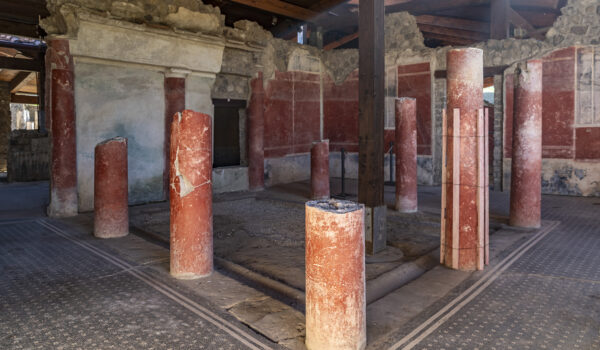
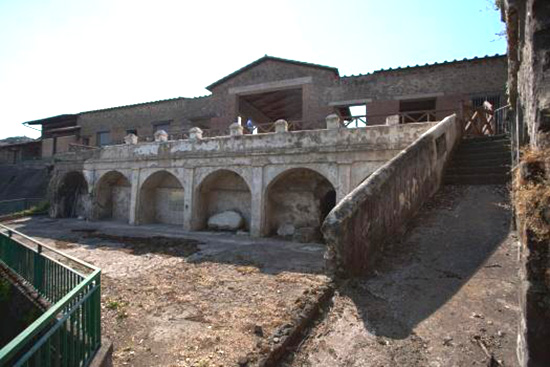
Perched on a spectacular cliff overlooking the Gulf of Naples, Villa San Marco is one of the largest Roman villas ever excavated.
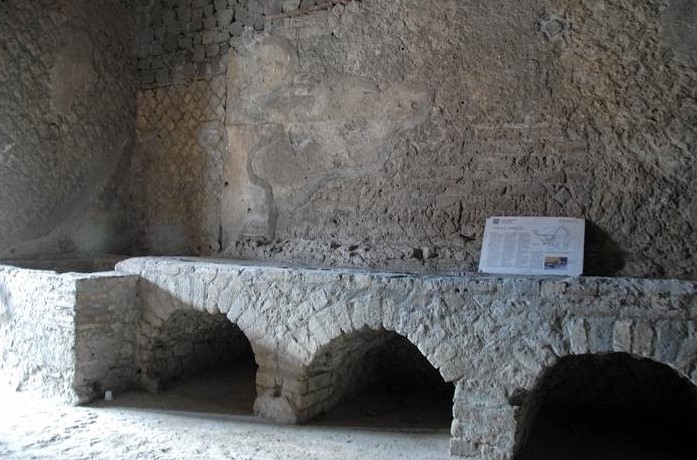
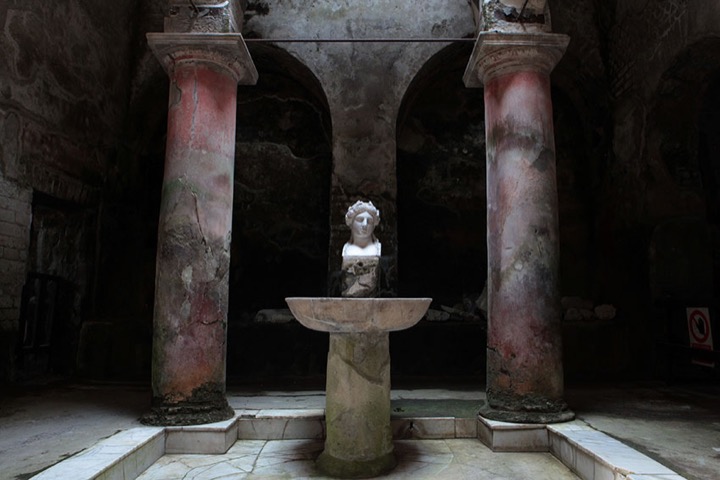
Covering approximately 11,000 square meters, it boasts magnificent peristyles, luxurious private baths, elegant dining rooms, and panoramic terraces with stunning sea views.
The villa perfectly illustrates how Rome’s elite transformed the Campanian coastline into an exclusive retreat for leisure, politics, and entertainment.
Stabiae – Villa Arianna
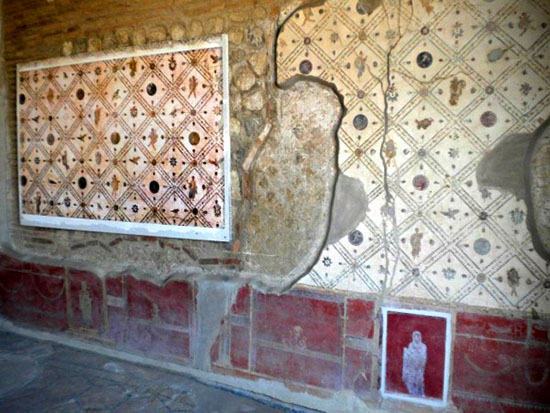
Villa Arianna takes its name from the famous fresco depicting Ariadne abandoned by Theseus, one of the masterpieces discovered inside the residence.
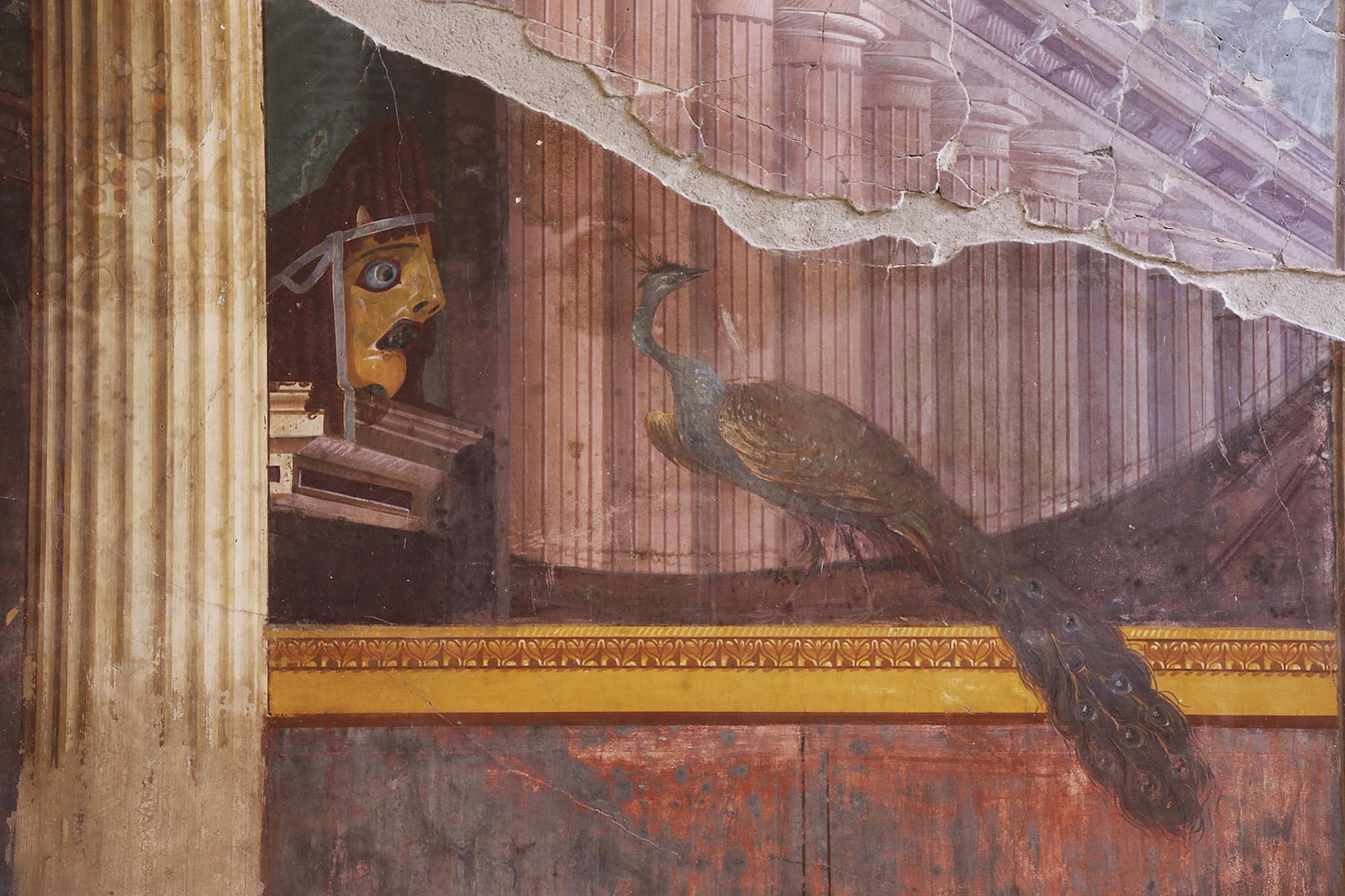
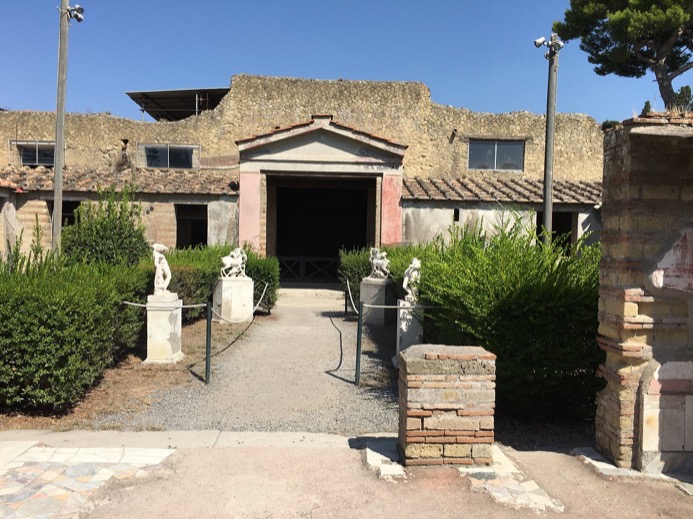
The villa is celebrated for its exquisite wall paintings, graceful architecture, and peaceful atmosphere, allowing visitors to appreciate the artistic sophistication of Roman domestic decoration.
Its richly decorated rooms reveal the taste, mythology, and cultural refinement that characterized aristocratic life in ancient Campania.
The Eruption of Mount Vesuvius
One of the most dramatic moments in Herculaneum’s history occurred in AD 79, when Mount Vesuvius erupted catastrophically. Unlike Pompeii, which was mainly buried under ash and pumice, Herculaneum was overwhelmed by extremely hot pyroclastic flows that buried the city beneath deep volcanic material. The intense heat carbonized wood and organic materials, preserving houses, furniture, doors, and even food with extraordinary detail.
Itinerary
– Explore the Villa of Poppaea (approximately 1 hour)
Visit magnificent reception halls, elegant peristyles, beautifully preserved frescoes, and one of the largest swimming pools of the Roman world. Along the way, discover how wealthy Romans decorated their homes, entertained guests, and displayed their social status.
– Visit Villa San Marco (approximately 30 minutes)
Explore one of the largest Roman villas ever excavated, featuring luxurious baths, grand peristyles, elegant dining rooms, and panoramic terraces with breathtaking sea views. Learn how these residences functioned as exclusive retreats for Rome’s aristocracy.
– Discover Villa Arianna (approximately 30 minutes)
Admire some of the finest Roman frescoes ever discovered, including the famous scene of Ariadne abandoned by Theseus. This quieter villa offers a unique opportunity to appreciate the artistic refinement and everyday life of an elite Roman household.
What’s included
Private Guide.
What’s not included
Meeting location
– At the Oplontis ticket office for the first guided tour.
– At the entrance to Villa San Marco for the second tour.
– At the entrance to Villa Arianna for the third tour.